

modern led mirror
Understanding Snap-On Dial Indicators Precision Tools for Accurate Measurement In the world of machining, engineering, and quality control, precision is paramount. Among the array of tools available for measurement, the snap-on dial indicator stands out as a vital instrument for achieving accuracy in various applications. This article delves into the features, uses, and advantages of snap-on dial indicators, highlighting their significance in maintaining quality and precision in both industrial and laboratory settings. What is a Snap-On Dial Indicator? A snap-on dial indicator is a precision measuring instrument that is widely used to measure small distances and variations in height or alignment. It is composed of a dial face that typically displays measurements from 0 to 1 inch or 0 to 25 millimeters, and a needle, or pointer, that moves in response to changes in the workpiece being measured. The design allows for the attachment of various probes or tips that can adapt to different measurement tasks. One of the defining features of snap-on dial indicators is their ease of use. The user can quickly snap the unit onto a workpiece, allowing for immediate measurement without complicated setups. This convenience makes them particularly useful in fast-paced environments, where time and efficiency are critical. Key Features 1. Accuracy Snap-on dial indicators are known for their high precision, often with an accuracy of 0.001 inches or better. This level of precision is crucial for applications ranging from machining to assembly inspections. 2. Durability Built to withstand the rigors of industrial environments, these indicators are often constructed with hardy materials that resist wear and damage. 3. Versatility With a variety of interchangeable tips, snap-on dial indicators can be used in different measuring scenarios, whether assessing flatness, alignment, or roundness. 4. Easy Readability The large, clear dial face and contrasting markings allow for easy reading of measurements, reducing the risk of human error. Applications Snap-on dial indicators find utility across a range of industries, including automotive, aerospace, manufacturing, and quality assurance. Some common applications include snap on dial indicator - Alignment Checks Ensuring that machinery parts are aligned correctly is essential for operational efficiency. Dial indicators are used to check for misalignment in shafts and components, helping to prevent premature wear and tear. - Height Measurement In machining processes, measuring the height of workpieces is crucial . Snap-on dial indicators can accurately assess variations in height, allowing for precise adjustments. - Flatness Measurement When working with surfaces, ensuring flatness is critical for the function of mechanical parts. Dial indicators can measure the flatness of surfaces, assisting in quality control. - Roundness Measurement For components that require circular precision, such as bearings, snap-on dial indicators can measure roundness to ensure that parts meet specifications. Advantages of Using Snap-On Dial Indicators The use of snap-on dial indicators provides numerous benefits 1. Time Efficiency The ability to quickly attach and remove the indicator saves time, which is especially valuable in high-production environments where every second counts. 2. Enhanced Accuracy With fine gradations and precision mechanisms, measurements are more accurate compared to traditional methods, leading to improved product quality. 3. User-Friendly Designed for ease of use, even individuals with minimal training can effectively operate snap-on dial indicators, making them accessible for a broad range of personnel. 4. Cost-Effectiveness Investing in a high-quality snap-on dial indicator can reduce costly errors and reworks, ultimately leading to savings and increased profitability. Conclusion The snap-on dial indicator is an indispensable tool that enhances measurement accuracy and efficiency in various industrial applications. With its combination of precision, durability, and ease of use, it stands as a testament to the advancements in measurement technology. Understanding its features and applications not only empowers businesses to achieve superior quality control but also drives innovation across the engineering landscape. As industries continue to evolve, the relevance of tools like the snap-on dial indicator will undoubtedly persist, facilitating the pursuit of excellence in manufacturing and engineering practices.
about
modern led mirror
Understanding the 8% Butterfly Valve in Industrial Applications The butterfly valve is a crucial component in various industrial applications, and the 8% butterfly valve is particularly notable for its efficiency and functionality. This type of valve is primarily used for regulating flow, making it a key element in processes that require precise control over fluid movement. What is a Butterfly Valve? A butterfly valve is a flow control device consisting of a disk attached to a rotating shaft. The disk is positioned in the center of the pipe, and when the valve is opened, the disk rotates to a parallel position to allow fluid to flow through. Conversely, when the valve is closed, the disk turns perpendicular to the flow direction, obstructing it. The design of the butterfly valve makes it an attractive option for many applications due to its lightweight structure and ease of operation. The 8% Butterfly Valve Explained The term 8% butterfly valve generally refers to a specific design aspect or operational capability of a butterfly valve. It can indicate the flow capacity or the degree to which the valve opens. In many industrial processes, achieving precise flow control is essential, and the 8% reference often denotes the percentage of the valve's travel that effectively controls fluid flow. This means that when the valve is opened by 8%, it allows for a certain predefined flow rate, making it easier for engineers to design and optimize systems relying on this component. Benefits of Using the 8% Butterfly Valve 8 butterfly valve 1. Efficiency One of the primary advantages of the 8% butterfly valve is its efficiency in managing fluid flow. The ability to control flow in small increments enhances its effectiveness in applications where precision is paramount, such as in chemical processing or water treatment facilities. 2. Space-Saving Design Butterfly valves take up significantly less space than traditional gate or globe valves, making them ideal for applications where space is limited. Their compact design allows for easier installation and can lead to cost savings on piping systems. 3. Reduced Pressure Drop Compared to other valve types, butterfly valves typically offer a lower pressure drop when fully opened. This characteristic can lead to energy savings in pump operations, making them a popular choice in various fluid handling systems. 4. Durability Constructed from high-quality materials, 8% butterfly valves are built to last. They are resistant to wear and corrosion, making them suitable for a wide range of media, from water and steam to various chemicals. 5. Versatility These valves can be used in a multitude of applications, including HVAC systems, food processing, pharmaceuticals, and more. Their ability to handle different flow rates and pressures adds to their appeal across various industries. Conclusion The 8% butterfly valve represents an essential tool for engineers and operators who require reliable and precise flow control in their systems. Its efficiency, compact design, and durability make it a preferred choice in many applications. As industries continue to advance and seek ways to optimize their operations, the importance of such components will only grow. Understanding the operational features and advantages of the 8% butterfly valve can help in making informed decisions when designing or upgrading fluid handling systems. Embracing innovative technologies like the butterfly valve is not just a matter of choice but a strategic move towards enhanced operational efficiency and sustainability.
-

High quality industrial productsagement

High quality industrial products
View Details -

Meet the diverse needs of customers

Meet the diverse needs of customers
View Details -

Strict quality control

Strict quality control
View Details -

Top raw materials

Top raw materials
View Details -

Trusted supplier

Trusted supplier
View Details
Our application


news and information
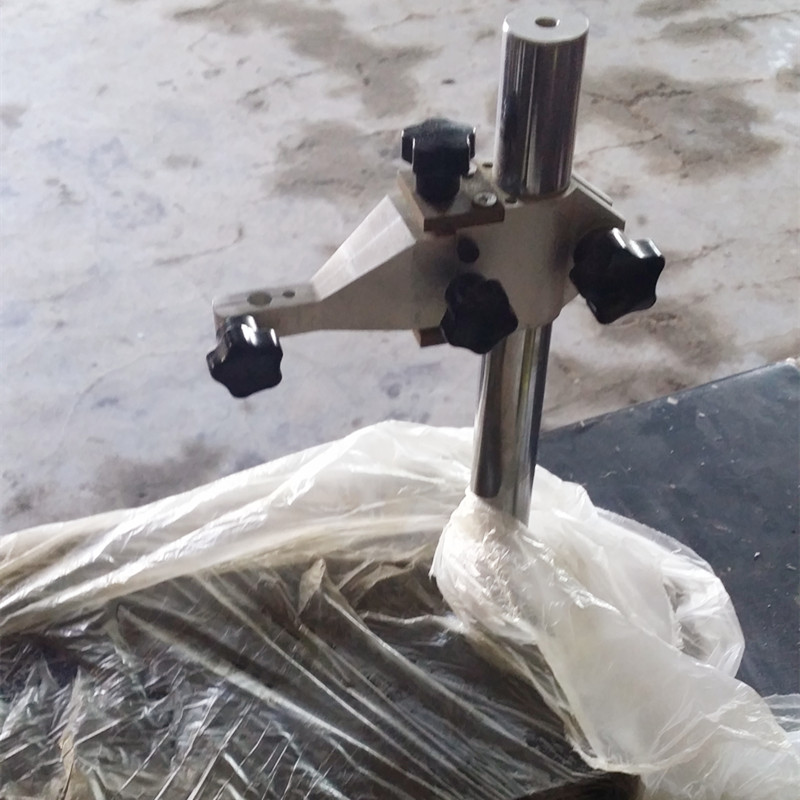
welding tables for sale
The Importance of Quality Welding Tables for Sale When it comes to metal fabrication, welding plays
what is water valve
Understanding Water Valves Essential Components for Fluid Control Water valves are crucial devices i
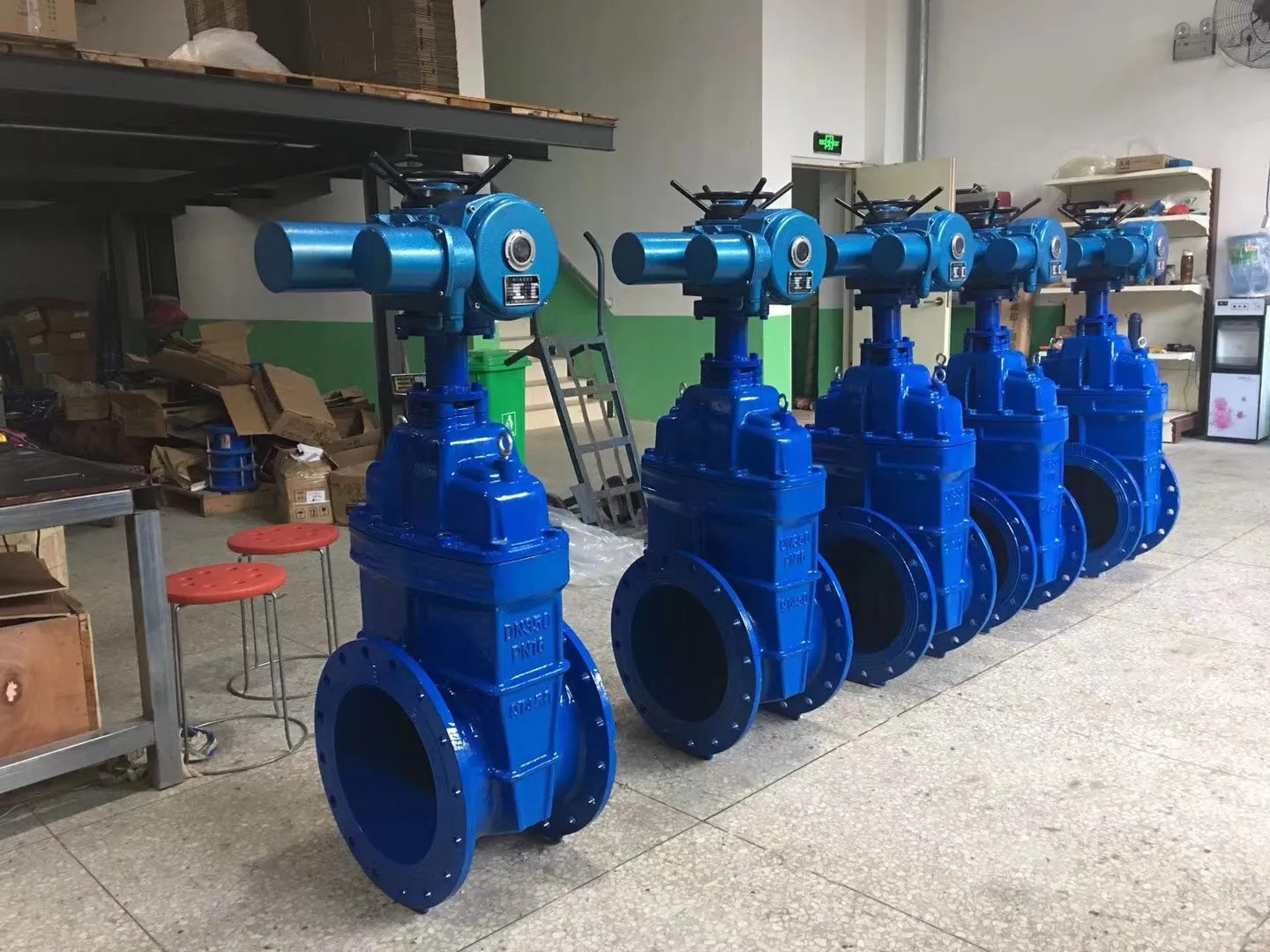
Válvula de equilíbrio estático para sistemas hidráulicos eficientes e de fácil ajuste
Válvula de Balanceamento Estático Importância e Aplicações A válvula de balanceamento estático é um
 English